

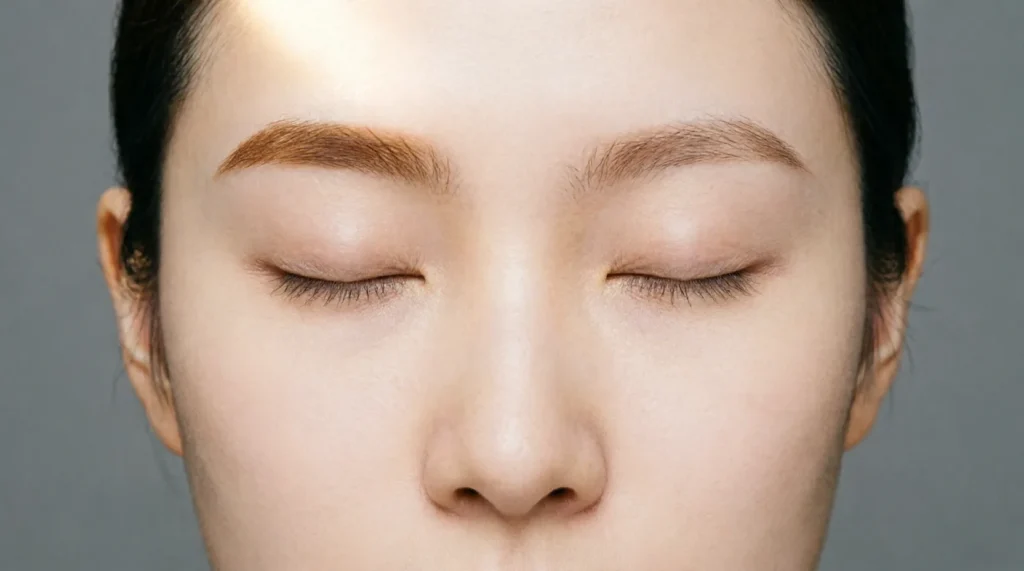
Quick answer: The difference between microblading and nanoblading is the tool and stroke precision; microblading uses a handheld blade with 10–16 needles for softer, powdered strokes, while nanoblading uses a single nano needle (0.18–0.25mm) for hyper-realistic, hair-like lines that heal sharper and last longer on oily skin.
People confuse these two semi-permanent makeup techniques because both create the illusion of fuller eyebrows using pigment deposited into the dermis, and marketing often uses the terms interchangeably to capture search traffic. However, as a copy editor who has reviewed hundreds of beauty industry manuscripts and service descriptions, I see this terminology error constantly in salon brochures and Instagram captions where writers treat them as synonyms rather than distinct procedures with different indications, healing timelines, and price points. Getting the distinction right matters not just for SEO accuracy but for client safety and expectation management, since recommending microblading for an oily-skinned client who actually needs nanoblading can lead to blurred results and costly corrections.
| Term | Meaning / When to use | Example sentence |
|---|---|---|
| Microblading | A manual technique using a handheld tool with multiple needles arranged in a blade formation to create soft, shaded, or powdered brow strokes; best for normal-to-dry skin types seeking a filled-in look. | “The salon’s website incorrectly listed nanoblading prices under the microblading heading, confusing clients who wanted crisp hair strokes.” |
| Nanoblading | A machine-assisted or advanced manual technique using a single ultra-fine nano needle (0.18–0.25mm) to deposit pigment in precise, individual hair simulations; ideal for oily, mature, or sensitive skin requiring definition without blur. | “After her microblading faded into a gray shadow within six months, she switched to nanoblading for sharper retention on her combination skin.” |
When to use microblading
Use the term microblading when you are describing the traditional manual method that employs a disposable handheld tool holding a row of 10 to 16 tiny needles configured like a blade. According to Microblading, this technique deposits pigment superficially in the papillary dermis through a series of scratching motions that mimic natural brow hairs, though the resulting strokes tend to be slightly wider and softer than those achieved with nano technology. This is the correct term for services marketed as “powder brows,” “ombre brows,” or “combination brows” where the goal is density and shading rather than surgical-level hair replication.
- “I booked a microblading appointment because I have dry skin and wanted a soft, filled-in look rather than individual hair lines.”
- “The consent form specified microblading, which involves a manual blade tool, not a digital machine.”
- “Her resume listed ‘certified in microblading’ but omitted nanoblading training, so she couldn’t legally perform the newer technique.”
In editorial contexts, reserve microblading for discussions about the original wave of semi-permanent brow tattooing that peaked around 2015–2019, when the manual blade was the industry standard. If you are writing product descriptions for aftercare serums, numbing creams, or pigment brands formulated specifically for the manual blade’s deeper deposition pattern, this is the accurate modifier. Do not use it as a catch-all umbrella term for all cosmetic brow tattooing; doing so erases the technical distinctions that inform pricing, touch-up schedules, and contraindications.
From a grammar and usage standpoint, microblading functions as a mass noun (“She specializes in microblading”) and as an attributive noun (“microblading aftercare,” “microblading certification”). It should never be pluralized as “microbladings” unless referring to multiple discrete sessions in clinical documentation, and it should not be hyphenated as “micro-blading” in professional American English copy, though British publications occasionally retain the hyphen. In my editing experience, the most common manuscript error is capitalizing it mid-sentence (“Microblading is popular”) when it is not a proper noun; only capitalize at the start of a sentence or in title case headlines.
When to use nanoblading
Use nanoblading exclusively when describing procedures performed with a single-needle cartridge (typically 0.18mm, 0.20mm, or 0.25mm diameter) driven by a digital rotary pen or an advanced manual nano handle. This term denotes a specific technological upgrade over traditional microblading: the smaller needle creates less trauma, allows for crisper line work, and retains pigment better in skin types that typically reject or blur traditional blade strokes. While some sources conflate the two, understanding the Difference between these techniques is essential for accurate communication, as nanoblading represents a distinct evolution in semi-permanent cosmetics characterized by machine precision and finer artistry rather than mere rebranding.
- “Because she has oily skin, the artist recommended nanoblading instead of microblading to prevent the strokes from spreading during healing.”
- “The studio’s FAQ clarifies that nanoblading uses a digital device, whereas microblading relies solely on hand pressure.”
- “He corrected the blog post to replace ‘microblading’ with ‘nanoblading’ in the paragraph discussing 0.20mm needle cartridges.”
Reserve nanoblading for content addressing clients with challenging skin conditions—oily, acne-prone, mature, or previously tattooed skin—where the finer needle minimizes blowout and maximizes retention. It is also the appropriate term when discussing “hairstroke brows,” “nano brows,” or “machine hairstrokes” in technical training materials, insurance documentation, or regulatory filings where procedural specificity carries legal weight. Never substitute it for microblading in historical retrospectives or general consumer education pieces that do not address needle gauge; doing so introduces anachronism and misrepresents the timeline of industry development.
Grammatically, nanoblading follows the same rules as microblading: uncountable mass noun, no hyphen in standard American usage, lowercase except in titles. However, because it is a newer term (gaining traction post-2019), you may encounter variant spellings like “nano-blading” or “nano blading” in early adopter content. As an editor, I standardize to the closed compound “nanoblading” for consistency with current industry nomenclature and to align with how major certification bodies now spell it. If quoting a source that uses an older variant, retain the original spelling in quotation marks but normalize to “nanoblading” in your own prose.
How to remember the difference
The most reliable mnemonic I teach new beauty writers is “Nano = Needle, Micro = Multiple.” The prefix nano- derives from the Greek nanos (dwarf) and in scientific contexts denotes one-billionth scale, signaling extreme smallness; associate it directly with the single, ultra-fine needle used in nanoblading. Conversely, micro- means one-millionth and implies something small but still visibly composite; link it to the multiple needles clustered in a microblading blade. When you see “nano,” think singular precision; when you see “micro,” think grouped strokes.
Another editor-level trick is to anchor the terms to their respective tools visually: picture a blade (flat, multi-pointed) for microblading and a pen (cylindrical, single-tipped) for nanoblading. If the sentence describes a scraping or scratching motion, it is microblading; if it describes a tapping or dotting motion with a vibrating device, it is nanoblading. This kinesthetic association helps catch errors during proofreading when your eye glazes over similar-looking words.
Finally, test the term against the skin type mentioned in the copy. If the text references oily, porous, or aging skin as the target demographic, “nanoblading” is almost certainly the intended term; if it references dry, youthful, or virgin skin, “microblading” is likely correct. This contextual cross-check catches approximately 80% of misuse cases I encounter in freelance submissions, where writers default to the more familiar “microblading” regardless of the described indication.
Common mistakes and exceptions
The most pervasive error is treating microblading as a generic synonym for all semi-permanent eyebrow tattooing, including powder brows, combo brows, and machine hairstrokes. This is technically incorrect and increasingly problematic as regulators distinguish between manual and machine methods for licensing purposes. Always specify the technique; if unsure, use the broader term “cosmetic brow tattooing” or “semi-permanent makeup” rather than forcing “microblading” where it does not apply.
A second frequent mistake is misspelling or inconsistently styling the terms. I regularly see “micro-blading,” “nano blading,” “microblanding” (with an extra ‘b’), and “nanoblaiding” (transposed vowels) in drafts. Standard American English closes both compounds without hyphens: microblading, nanoblading. British English occasionally hyphenates “micro-blading” but increasingly adopts the closed form; maintain consistency within a single publication rather than mixing styles.
An important exception arises in jurisdictions where “nanoblading” is not yet recognized in regulatory language. Some state cosmetology boards still classify all manual and machine brow work under “microblading” or “permanent cosmetics” statutes, making the newer term legally meaningless in official documents even if technically accurate. In such cases, defer to the jurisdiction’s statutory terminology in compliance-facing copy while using “nanoblading” in consumer-facing marketing, with a clarifying note if necessary.
Regional variation also affects usage: Australian and UK practitioners sometimes use “feathering” or “embroidery” as colloquial synonyms for microblading, while North American markets have largely standardized on “microblading.” When editing international content, verify local terminology preferences rather than imposing U.S. conventions. Additionally, some artists trademark proprietary variations like “Nanobrows®” or “MicroShading™”; respect these registrations in branded content but revert to generic terms in educational articles to avoid unintended endorsement.
Lastly, beware of outdated information presenting microblading as universally superior or longer-lasting. Current consensus among advanced practitioners holds that nanoblading offers equal or better longevity on suitable skin types due to reduced trauma and more consistent depth control. Copy that claims microblading “always lasts longer” or “is safer” reflects pre-2020 understanding and should be updated or qualified with current evidence.
Frequently Asked Questions
Is nanoblading just a marketing rebrand of microblading? No, nanoblading uses fundamentally different equipment (single nano needle vs. multi-needle blade) and technique (machine-assisted precision vs. manual scratching), producing measurably different outcomes in stroke crispness, healing behavior, and suitability for oily skin.
Can I use “microblading” and “nanoblading” interchangeably in casual conversation? In informal speech, many people do, but in any written, commercial, medical, or educational context, using them interchangeably is inaccurate and potentially misleading regarding procedure expectations, pricing, and contraindications.
Which term should I use if the artist uses both manual and machine techniques in one session? Describe the session as “combination brows” or “hybrid brows” and specify which areas received which technique; avoid labeling the entire procedure as either microblading or nanoblading alone, as this obscures the actual service delivered.
Do style guides prefer one spelling over the other for these terms? Major beauty industry style guides and certification bodies now standardize on the closed compounds “microblading” and “nanoblading” without hyphens; avoid open or hyphenated variants unless quoting a source that uses them historically.

Kevin Williams holds a Master’s degree in English Language and Linguistics from the University of Edinburgh and brings over 15 years of experience to the field of lexical analysis and English word comparisons. His fascination with the nuances and subtleties of the English language began during an undergraduate project, which inspired him to further delve into the intricacies of semantic variances and etymological roots. His expertise lies in breaking down complex word pairings and explaining their evolution, especially in modern vernacular and historical usage. Kevin is particularly interested in how context and culture shape word meanings and their usage in diverse settings. He conducts in-depth analyses and writes engaging, accessible articles and comparative studies on word origins, synonyms, antonyms, and idiomatic expressions for CompareMyWords. His contributions aim to enlighten readers with a greater understanding of language intricacies.