

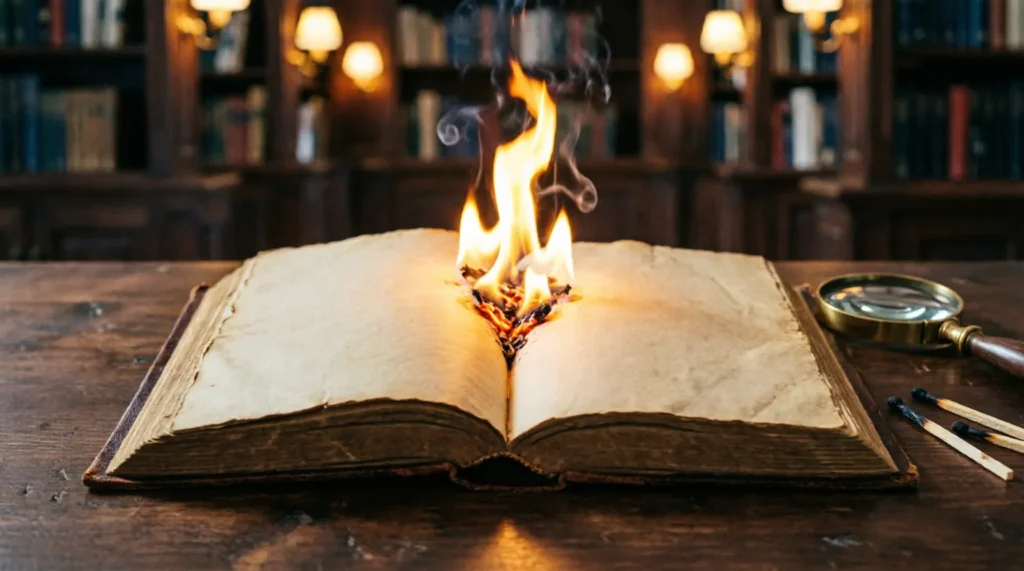
Quick answer: Fire related idioms are common English expressions using fire imagery to describe emotions, situations, and actions—like “play with fire” (take dangerous risks) and “add fuel to the fire” (make a bad situation worse). Master these to sound more natural in English.
Fire idioms appear constantly in everyday English, from casual conversations to business meetings and news headlines. Because they’re so deeply embedded in the language, understanding them is essential for fluent communication. This guide breaks down the most important fire related idioms you need to know, with clear explanations and real-world examples.
Essential Fire Related Idioms Comparison Table
| Idiom | Meaning / When to use | Example sentence |
|---|---|---|
| Play with fire | Taking dangerous risks or doing something risky that could backfire | “Dating your boss’s ex is playing with fire.” |
| Add fuel to the fire | Making a bad situation worse, especially by saying something that increases anger or conflict | “Criticizing him in front of the team just added fuel to the fire.” |
| Fire away | Go ahead and ask your questions; proceed without hesitation | “You have questions about the project? Fire away.” |
| Under fire | Being criticized, attacked, or questioned intensely | “The CEO has been under fire since the scandal broke.” |
| Fight fire with fire | Respond to an attack or aggression with similar tactics | “If they’re using aggressive marketing, we’ll fight fire with fire.” |
| Out of the frying pan into the fire | Escaping one bad situation only to end up in a worse one | “Quitting without another job lined up took her out of the frying pan into the fire.” |
| Set the world on fire | Achieve great success or become very popular and impressive | “His first novel didn’t set the world on fire, but the second one was a bestseller.” |
| Like a house on fire | Happening very quickly, intensely, or with great energy (often used for relationships that develop fast) | “They met at the party and got along like a house on fire.” |
| Fan the flames | Make a conflict or strong emotion more intense | “His sarcastic comment only fanned the flames of the argument.” |
| Baptism by fire | A difficult or painful first experience that serves as an introduction to something | “Her first day handling customer complaints was a real baptism by fire.” |
When to use “play with fire” and similar risk idioms
Use “play with fire” when you want to warn someone that their actions are risky or could lead to serious trouble. This idiom works in both personal and professional contexts. According to Idiom, these figurative expressions help convey complex warnings in memorable ways.
Real-world examples:
• Email warning: “I know you’re tempted to exaggerate your qualifications on the resume, but that’s playing with fire—background checks are standard now.”
• Text message: “Dude, you’re playing with fire texting your ex while you’re dating Sarah.”
• Cover letter mistake: “In my first draft, I wrote ‘I’m not afraid to play with fire when it comes to innovation’—my editor crossed it out immediately because it sounded reckless, not bold.”
The key is that “play with fire” always carries a negative connotation. You’re not praising someone’s bravery; you’re warning them about consequences.
When to use “add fuel to the fire” and escalation idioms
“Add fuel to the fire” (also “add fuel to the flames”) describes actions or words that make an already bad situation worse. This is different from “fan the flames,” which is similar but often implies more deliberate provocation.
Use this idiom when:
- Someone’s angry and you say something that makes them angrier
- A conflict exists and your action intensifies it
- You want to caution someone against making things worse
Real-world examples:
• Workplace scenario: “The team was already upset about the deadline change. When Mark complained about their ‘lack of flexibility,’ he just added fuel to the fire.”
• Social media post: “Posting that defensive response to the negative review only added fuel to the fire—now there are 50 more angry comments.”
• Resume line gone wrong: “I once read a cover letter that said ‘I thrive in high-conflict environments and enjoy adding fuel to the fire during debates.’ That applicant didn’t get an interview.”
The fix? If you’re trying to describe conflict resolution skills, say “I excel at de-escalating tense situations” instead.
When to use “fire away” and permission idioms
“Fire away” is an enthusiastic, informal way to give someone permission to ask questions or start speaking. It’s encouraging and shows you’re ready and willing to engage.
This idiom works best in:
- Meetings when you open the floor for questions
- Interviews when you invite the interviewer to ask anything
- Casual conversations when someone hesitates to ask something
Example: “You’ve been quiet—do you have concerns about the plan? Fire away, I want to hear them.”
The tone is friendly and open, making it perfect for building rapport.
When to use “under fire” and pressure idioms
“Under fire” means facing criticism, scrutiny, or attack. It’s commonly used in news, business, and politics to describe someone dealing with intense pressure or backlash. For more, see Related.
Use it when:
- A person or organization is being criticized publicly
- Someone is defending themselves against accusations
- You want to convey that pressure is coming from multiple sources
Real-world example: “After the product recall, the company has been under fire from customers, regulators, and investors alike.”
This idiom is more formal than “in hot water” and suggests sustained, serious criticism rather than a minor mistake.
How to remember the difference between fire idioms
Here’s a memory trick I use with my editing clients: Match the action to the fire behavior.
- Play with fire = You’re the one handling something dangerous (like literally playing with matches)
- Add fuel to the fire = You’re making an existing fire bigger (adding gas to flames)
- Fan the flames = You’re actively blowing air to intensify it (deliberate action)
- Under fire = You’re the target being shot at or burned (receiving the heat)
- Fire away = You’re giving someone permission to shoot questions at you (inviting the barrage)
Another trick: Notice the prepositions. “Play with fire” suggests you’re controlling something risky. “Under fire” puts you beneath the attack. “Add fuel to the fire” shows you’re contributing to something already burning.
I’ve corrected hundreds of manuscripts where writers mixed these up. The most common error? Using “add fuel to the fire” when they mean “fan the flames.” Both work for escalation, but “add fuel” implies making something worse, while “fan the flames” suggests deliberately provoking or intensifying emotions.
Common mistakes and exceptions
Mistake #1: Using fire idioms in formal academic writing
Fire idioms are conversational and informal. In academic papers, legal documents, or highly formal business reports, replace them with literal language.
✗ “The policy change added fuel to the fire of public discontent.” ✓ “The policy change intensified public discontent.”
Mistake #2: Mixing metaphors
Don’t combine fire idioms with water or other elemental metaphors in the same sentence.
✗ “She added fuel to the fire and opened a whole new can of worms.” ✓ “She added fuel to the fire, making the situation much worse.”
Mistake #3: Using “set the world on fire” sarcastically without context
This idiom is often used negatively (“He’ll never set the world on fire”) to mean someone won’t achieve great success. But if you use it positively without clear context, it can sound exaggerated.
✗ “Our new intern is going to set the world on fire!” (Sounds over-the-top for an intern) ✓ “Our new intern shows great promise and enthusiasm.”
US vs. UK differences:
Fire idioms are generally consistent between American and British English, but there are minor variations:
- Both use “add fuel to the fire” and “add fuel to the flames” interchangeably
- “Baptism by fire” is common in both varieties
- “Like a house on fire” is slightly more common in British English, but widely understood everywhere
Exception: “Fire” as a verb meaning “to dismiss”
Don’t confuse fire idioms with the verb “to fire” (meaning to terminate employment). This is literal, not idiomatic:
✓ “They fired him for misconduct.” (Literal: terminated employment) ✓ “They’re playing with fire by firing half the staff.” (Idiomatic: taking a risk)
Frequently Asked Questions
What does “out of the frying pan into the fire” mean?
This idiom describes escaping one problem but immediately ending up in a worse situation. For example: “She left her stressful job to travel, but running out of money three weeks later was like jumping out of the frying pan into the fire.”
Is “fire away” rude or too informal?
“Fire away” is informal but not rude—it’s actually friendly and encouraging. Use it in casual meetings, interviews, or conversations, but avoid it in very formal presentations or written reports where “Please go ahead with your questions” would be more appropriate.
Can I use fire idioms in professional emails?
Yes, but sparingly and only in less formal workplace communication. “Fire away” works well when inviting questions from colleagues you know. “Under fire” is acceptable in business news or internal updates. Avoid fire idioms in client-facing documents, legal correspondence, or when discussing serious topics like layoffs or performance issues.
What’s the difference between “fan the flames” and “add fuel to the fire”?
They’re very similar, but “fan the flames” often implies more deliberate, active provocation (like literally blowing on a fire to make it stronger), while “add fuel to the fire” can be accidental or intentional. If someone unknowingly makes things worse, “add fuel to the fire” fits better. If they’re deliberately stirring up trouble, “fan the flames” is more precise.

Margaret Walker is an accomplished linguist with over two decades of experience specializing in historical linguistics and word comparisons. With a Ph.D. in Linguistic Anthropology from Harvard University, her career has been marked by her comprehensive studies in language variation and change, particularly in English dialects and regional word patterns. Margaret’s interest in the evolution of language and its social implications drew her to focus on comparing words and phrases that exhibit regional differences and their origins. Her articles are known for their depth in exploring how historical events and cultural shifts influence language changes. At CompareMyWords, Margaret examines and writes on comparative semantics, dialectal diversity, and previously undocumented lexical items, bringing a historical perspective to contemporary issues in language.